.png)
How Location Impacts Long-Term Property Value in Playa del Carmen
When investing in real estate, there is one factor that consistently outweighs design trends, amenities, and even price: location. In Playa del Carmen—a market that has evolved rapidly over the last decade—where a property is located has a direct and lasting impact on its long-term value.
Understanding how location influences appreciation, rental demand, and resilience over time is essential for making a sound real estate investment. This article explains why location is the cornerstone of property value in Playa del Carmen and what sophisticated investors should evaluate before buying.You may be interested: Investing in properties in Playa del Carmen
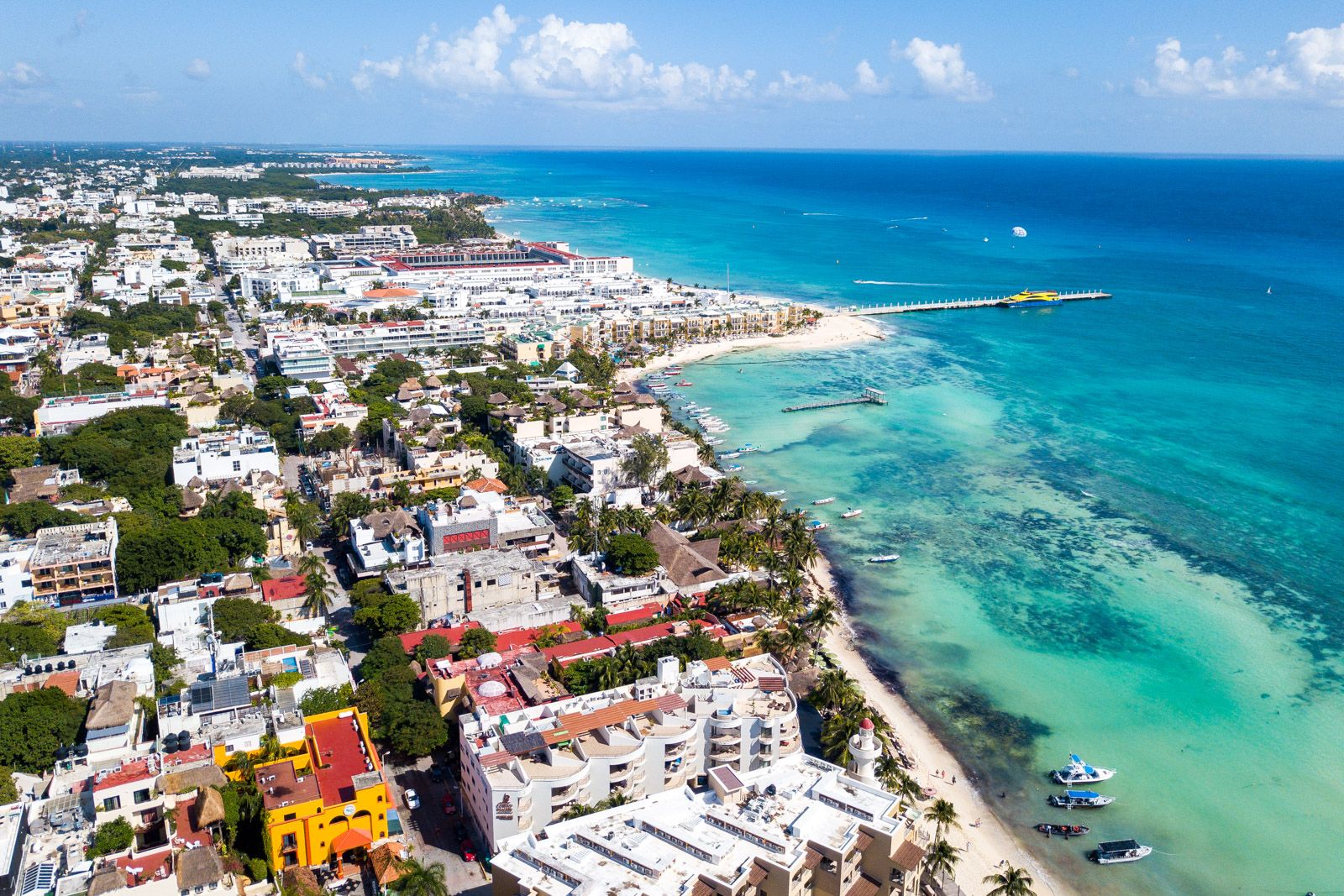
Why Location Is the Most Important Factor in Real Estate
The phrase “location, location, location” remains relevant because location cannot be replicated or upgraded. Unlike finishes or amenities, a property’s surroundings define long-term desirability, influence rental performance, determine liquidity in resale, and protect value during market cycles. In Playa del Carmen, where new developments emerge constantly, location is what separates short-lived projects from assets that endure.
Playa del Carmen: A Market Defined by Micro-Locations
Playa del Carmen is not a single, uniform market. Property value varies significantly by zone, even within short distances. Key factors that define strong micro-locations include walkability, proximity to the beach, access to cultural and commercial areas, presence of green spaces, and urban planning and infrastructure quality. Savvy investors analyze micro-location, not just city-wide trends.
Proximity to the Beach and 5th Avenue: More Than a Lifestyle Perk
Properties within walking distance of the beach and 5th Avenue consistently outperform others in long-term value. This is due to limited supply, as beachfront and central parcels are finite, strong demand from both residents and renters, high liquidity in resale markets, and enduring appeal regardless of tourism cycles. Being close—but not dependent—on tourist congestion is key. Balance matters more than exposure.
Central Locations Offer Stability Over Speculation
While emerging neighborhoods may offer lower entry prices, central areas of Playa del Carmen provide stability and resilience. Central locations typically offer established infrastructure, mature urban fabric, lower risk of overdevelopment, and consistent demand from residents and investors. These areas tend to attract buyers seeking long-term ownership rather than short-term speculation, which supports sustained property value.
Green Spaces and Urban Integration Increase Long-Term Value
Properties near parks and preserved green areas hold unique long-term advantages. Green-adjacent locations improve quality of life, reduce density pressure, increase daily usability of the property, and enhance emotional and lifestyle value. As Playa del Carmen becomes denser, access to green space becomes a scarcity-driven premium, positively impacting appreciation over time.
Walkability and Daily Functionality Matter More Than Ever
Modern buyers increasingly value walkable lifestyles over car-dependent locations. Walkable areas maintain rental demand year-round, appeal to international buyers, reduce reliance on transportation, and support long-term livability. In Playa del Carmen, walkability is directly correlated with rental performance and resale velocity, especially in premium segments.
Tourist-Oriented Areas Versus Residential Urban Zones
Not all central locations offer the same long-term benefits. Highly tourist-oriented zones may generate strong short-term income but often come with increased wear, noise, and regulatory risk. Over time, these factors can affect both livability and asset preservation. In contrast, residential urban zones that integrate culture, green spaces, and daily functionality tend to attract buyers with a longer investment horizon. These areas foster stable communities and support sustained appreciation by appealing to both residents and investors seeking quality of life rather than purely transactional returns.
Urban Vision and Infrastructure as Value Drivers
Location is shaped not only by geography but also by city planning and public investment. Areas aligned with a broader urban vision—through infrastructure upgrades, public space improvements, and cultural initiatives—benefit from compounded value growth over time. Investors who evaluate a location within the context of long-term city development are better positioned to identify areas with enduring relevance. In Playa del Carmen, zones that maintain a balance between growth and preservation tend to demonstrate the strongest long-term performance.
When Location and Construction Quality Align
While location establishes the foundation of long-term value, construction quality determines how well that value is preserved. Properties that combine strategic location with durable structural systems, high-quality materials, and low-maintenance design are better equipped to withstand environmental exposure and usage over time. This alignment between location and construction quality differentiates assets designed to endure from those built to capitalize on short-term demand.
Location as a Form of Risk Management
For long-term investors, choosing the right location is an exercise in risk mitigation. Well-located properties are less sensitive to market fluctuations, oversupply, and shifting tourism trends. They maintain relevance across different economic conditions, making them more resilient assets within a diversified portfolio.